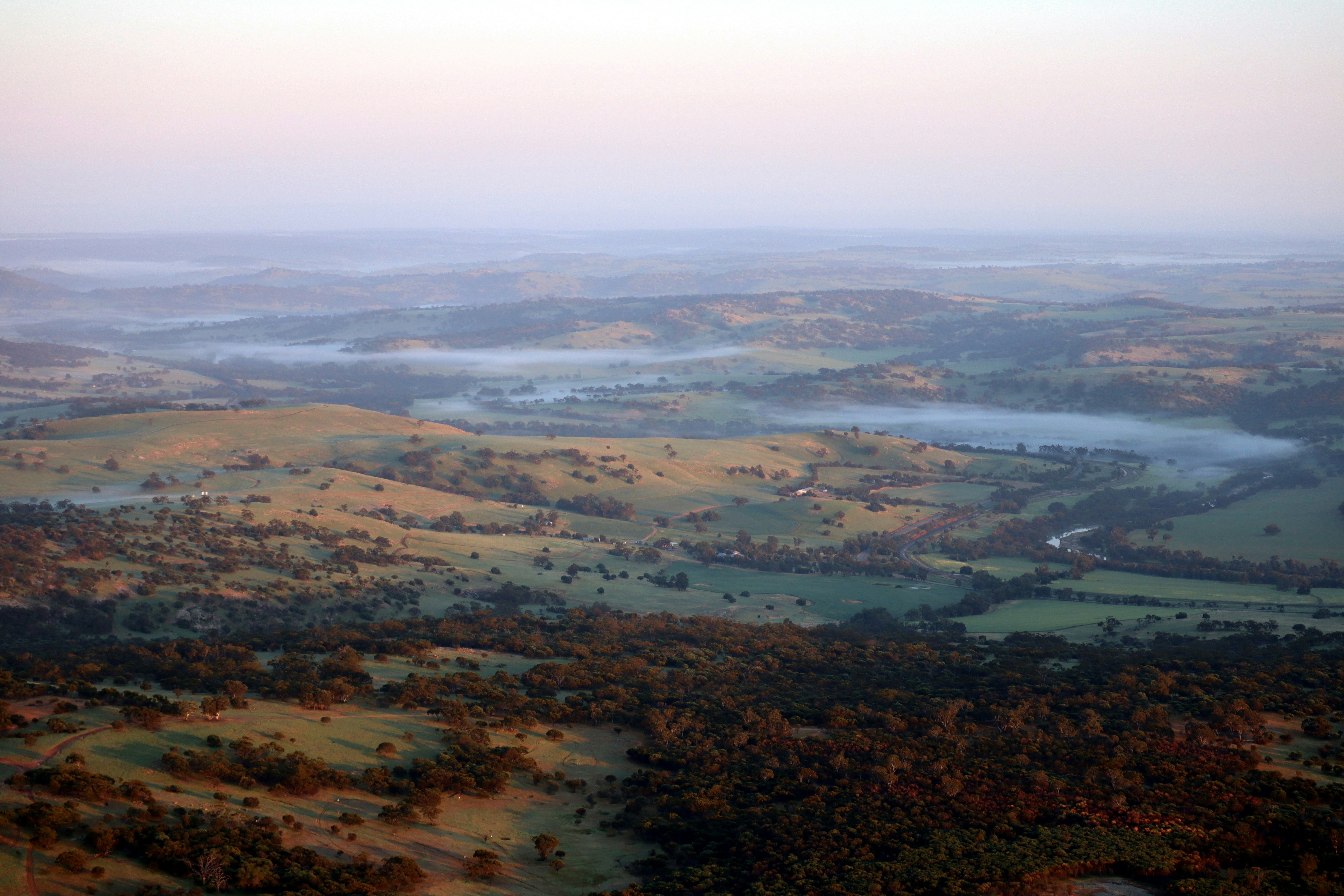
Emergency management for the Wheatbelt.
More local governments than anywhere else in WA, small volunteer brigades, and a fire season that arrives with the header in the paddock.
What makes the Wheatbelt different.
The Wheatbelt covers dozens of small local governments across a broadacre grain and sheep landscape. Harvest is the pressure point. Header fires and stubble fires move fast in hot, dry conditions, the volunteer brigades that respond are small, and the distances between towns and appliances are long. Grain logistics, some mining and scattered communities add to the load.
Resolve works with Wheatbelt shires on arrangements that a small team can actually run, from harvest fire trigger frameworks and total fire ban decision-making, to Local Emergency Management Arrangements and exercises that build confidence across neighbouring districts.
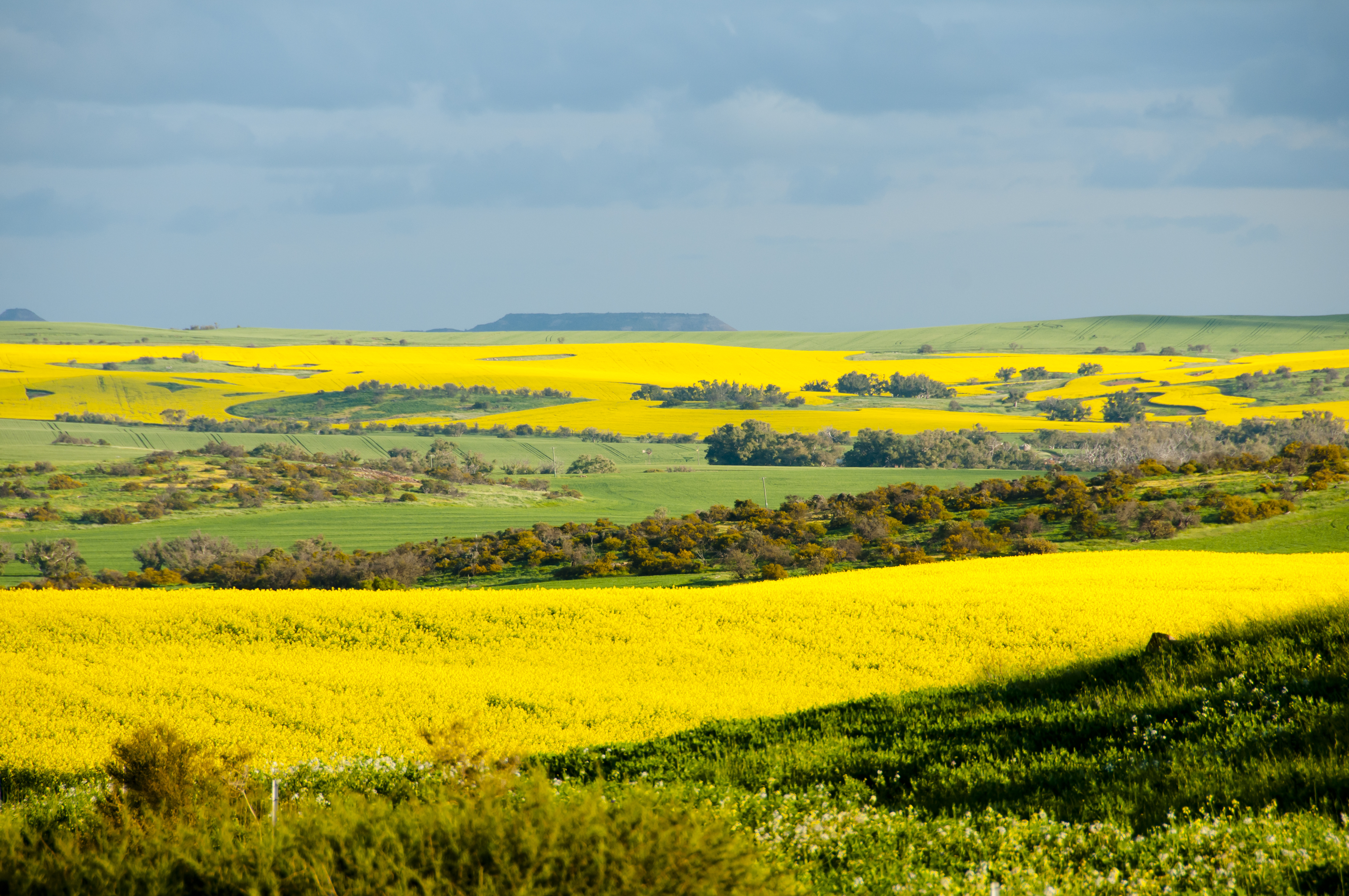
The hazards we build for in the Wheatbelt.
Harvest bushfire
Header and stubble fires that spread quickly through crop and grassland during the highest-risk months.
Small-shire capacity
Emergency management carried by a handful of staff and small volunteer brigades across large areas.
Severe storms
Damaging wind, hail and localised flooding that cut power and roads across a spread-out network of towns.
Distance and mutual aid
Long response times between appliances, and neighbouring districts that need to work as one.
On site where it matters. Remote where it makes sense.
The Wheatbelt is within reach for on-site LEMC workshops, exercises and brigade engagement, with document review and development run remotely. Engagements are scoped around the committee cycle and the harvest calendar.
Sectors we support
- Broadacre agriculture
- Grain storage and logistics
- Local government
- Mining
- Small rural communities
The work that carries the most weight in this region.
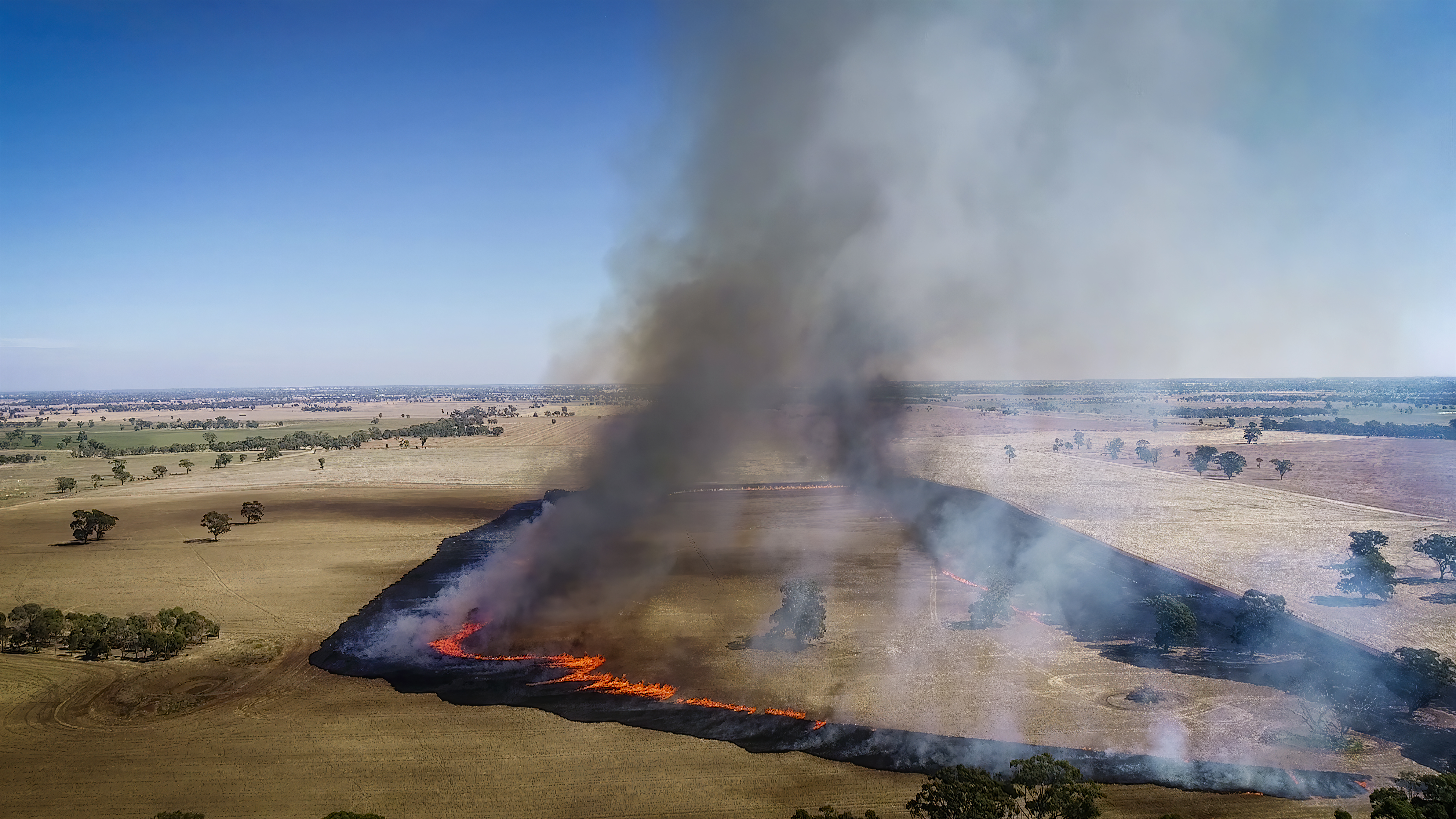
Resolve works with Wheatbelt local governments on harvest fire readiness and Local Emergency Management Arrangements built for small teams.
Wheatbelt, answered.
Can Resolve review our LEMA and run the LEMC engagement?
Yes. We review Local Emergency Management Arrangements against current WA guidance and the reality of your district, facilitate the LEMC, and provide Council-ready documentation and a practical improvement plan a small team can maintain.
LEMA and LEMCDo you help with harvest fire and total fire ban decision-making?
Yes. We work on trigger frameworks, harvest and vehicle movement bans, and the decision structure behind them, and we test it through exercises before the season.
Can you run a combined exercise for several neighbouring shires?
Yes. We design and facilitate exercises across neighbouring local governments and brigades, focused on the coordination, requests for assistance and handovers that a real Wheatbelt fire depends on.
Exercise DevelopmentWorking in the Wheatbelt?
Tell us what you are preparing for. We will talk it through and show you how we would approach it.
Start the conversation