Fire season does not wait.Neither should you.
Bushfire risk becomes real when conditions change quickly, people are exposed, access is constrained and decisions cannot wait for perfect information. We help organisations prepare for that moment with clear triggers, tested controls, mitigation priorities and defensible decision pathways.
The biggest threat to WA organisations arrives without warning.
Bushfire risk looks different depending on where you sit. A council carries it across an entire district, a winery watches it along a paddock boundary, and a mine site faces it in near-total isolation, often hours from the nearest help. What ties all of it together is timing, because if the triggers and decision pathways aren't understood before ignition, the organisation is already exposed, no matter how experienced the people managing it happen to be.
That is the gap we close. Our bushfire management work is built on operational experience rather than templates pulled off a shelf, and it covers risk reduction plans, prescribed burning assurance, response plans, exercising and decision assurance through wildfire and complex fire conditions.
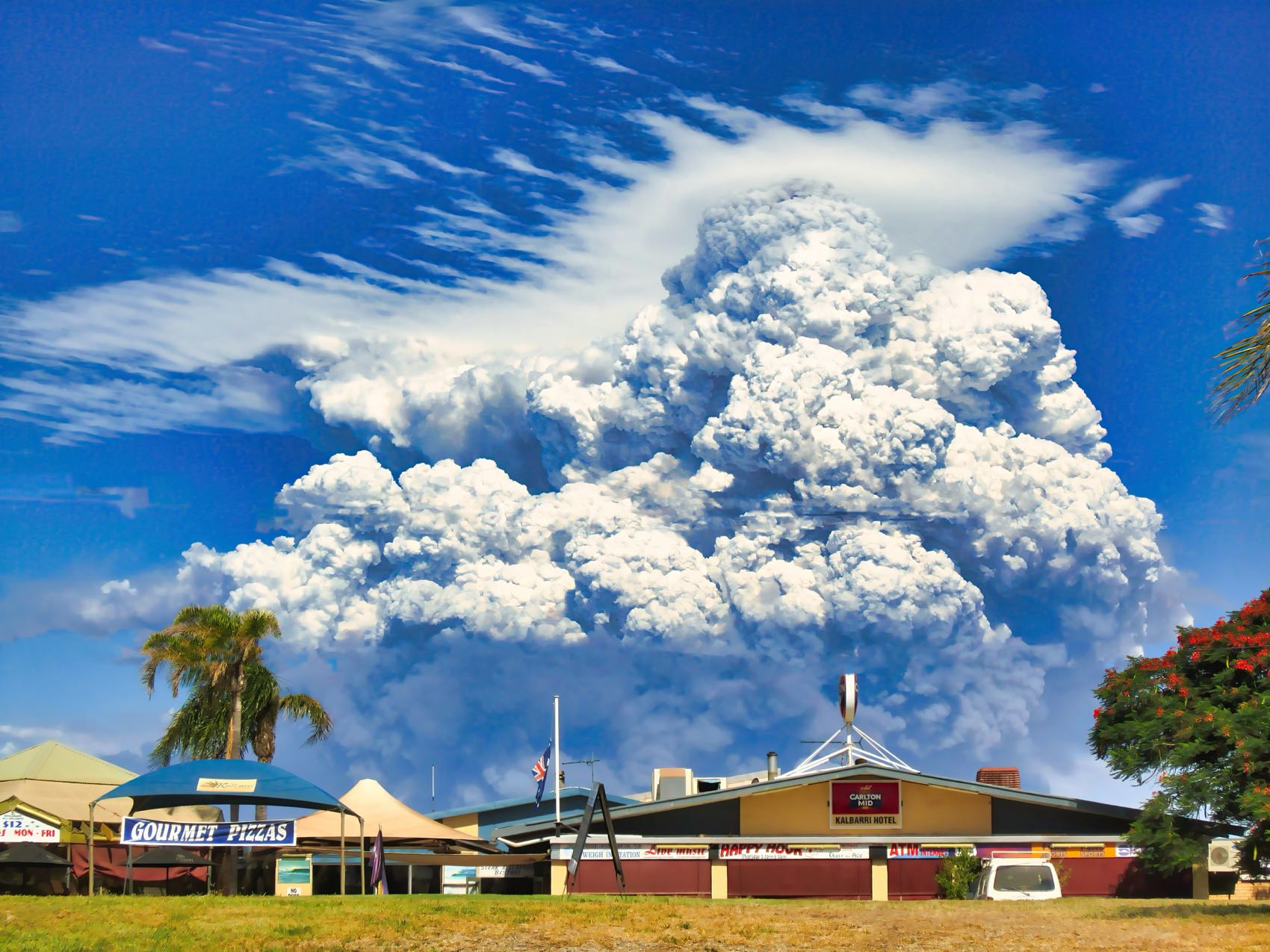
Have a problem now?
If a fire is escalating and your team needs command support today, that is a different conversation. We provide call-as-needed Incident Management Team support to organisations under active pressure.
Bushfire management, across every sector in WA.
Local Government
Bushfire risk reduction planning, Bushfire Management Plan audit support and LEMC-aligned readiness for shires and councils.
Private Sector
Bushfire response plans and assurance for commercial premises, facilities and corporate landholdings.
Resources Sector
Mitigation programs, response plans and decision assurance for mining and remote industrial operations.
Education
Evacuation, shelter-in-place and bushfire preparedness planning for schools, campuses and boarding facilities.
Wineries & Agriculture
Risk reduction and response planning for wineries, farms and rural operators in high fuel-load country.
Events & Tourism
Bushfire risk assessment and trigger frameworks for outdoor events, resorts and tourism operators.
Wildfire doesn't wait for you to be ready.
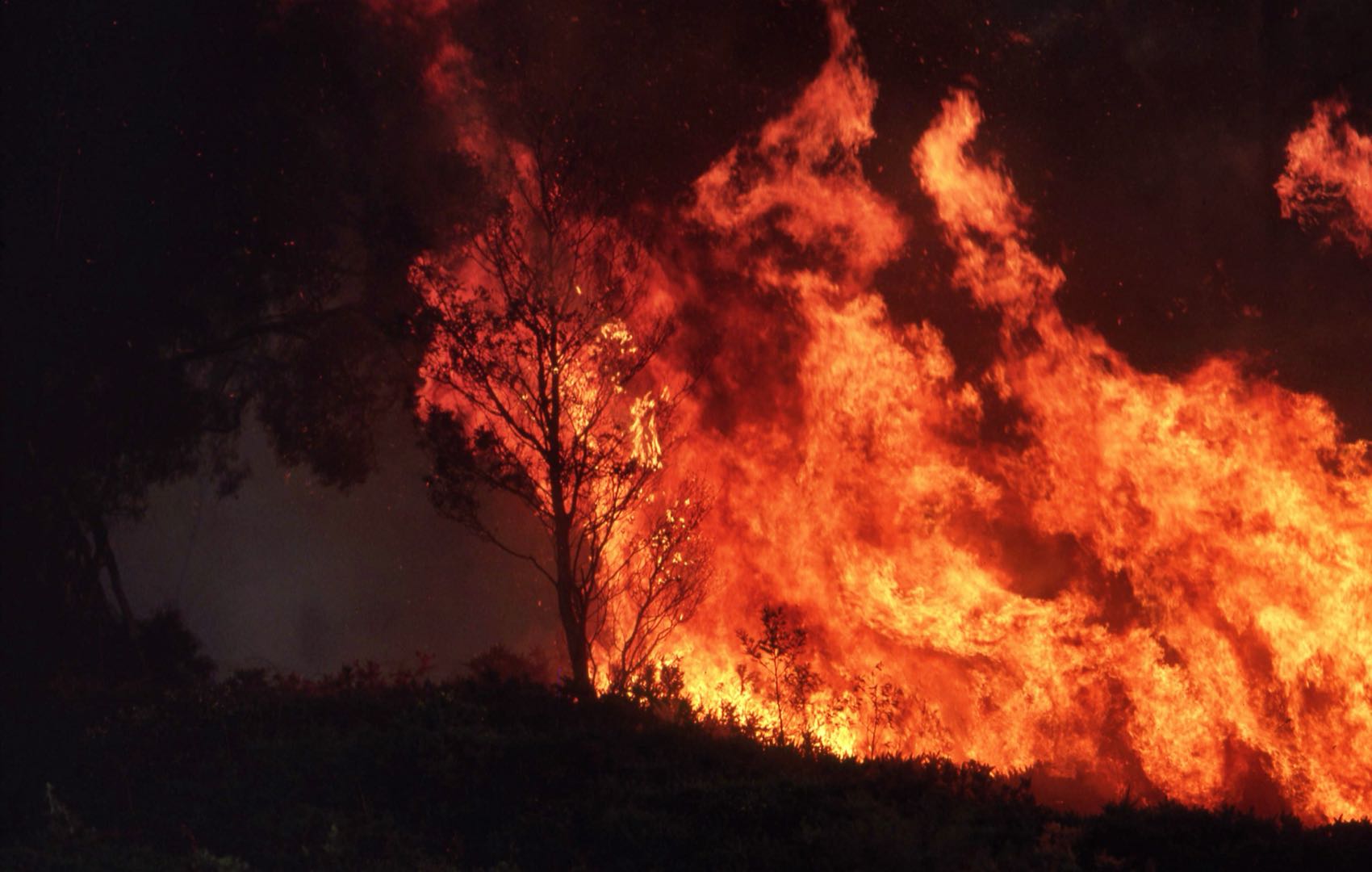
Western Australia's bushfire season, in numbers
Bushfires responded to across WA in 2024–25
Burnt in bushfires fought or monitored by DBCA
Of bushfires recorded by DBCA in 2024–25 were lightning-ignited
Source: WA Department of Biodiversity, Conservation and Attractions (DBCA), 2024–25 bushfire season summary.
Ignition is only the start. What happens next depends on distance, access, fuels, weather, detection, communications, available resources and competing priorities, and every remote or regional operation carries a different mix of them.
A lightning strike a long way off can still become an operational problem well before any flame is visible. The real question isn't whether a bushfire will start. It's what your people do when it does.
Resolve works with organisations in bushfire-prone environments to strengthen what sits between risk and response.
Mitigation
Exercises
Preparedness
Trigger Points
Response Planning
Decision Making
Mitigation & Bushfire Risk Reduction Plans
Bushfire Risk Reduction Plans and mitigation programs built against your actual terrain, vegetation, fuel loads and access constraints. We prioritise and schedule treatments so mitigation effort goes where it reduces the most risk, not just where it is easiest to record.
Prescribed Burning Assurance & Guidance
Prescribed burning carries its own risk profile, and its own scrutiny if it goes wrong. We provide planning support, prescription development and decision assurance so burns are conducted within prescription, properly authorised, and defensible if questioned afterward.
Bushfire Response Plans
A Bushfire Response Plan developed against your organisation's actual risk profile, not a generic template. The plan is only one part of the system. We connect planning, triggers, mitigation, readiness and decision-making before fire season starts.
Bushfire Response Exercising
A plan that has never been tested is a plan that has never been proven. We design and facilitate bushfire response exercises that put your people, your procedures, and your reporting lines under realistic operational pressure, from initial detection through to escalation, notification and sustained operations. You walk away knowing exactly where your gaps are before fire season, not during it.
Bushfire Incident Decision Assurance
Managing bushfire incidents is complex, fast-moving and high risk. We provide decision assurance to Emergency Response Teams, IMTs and executives so they can keep people safe, make defensible operational decisions and demonstrate legislated functions under pressure.
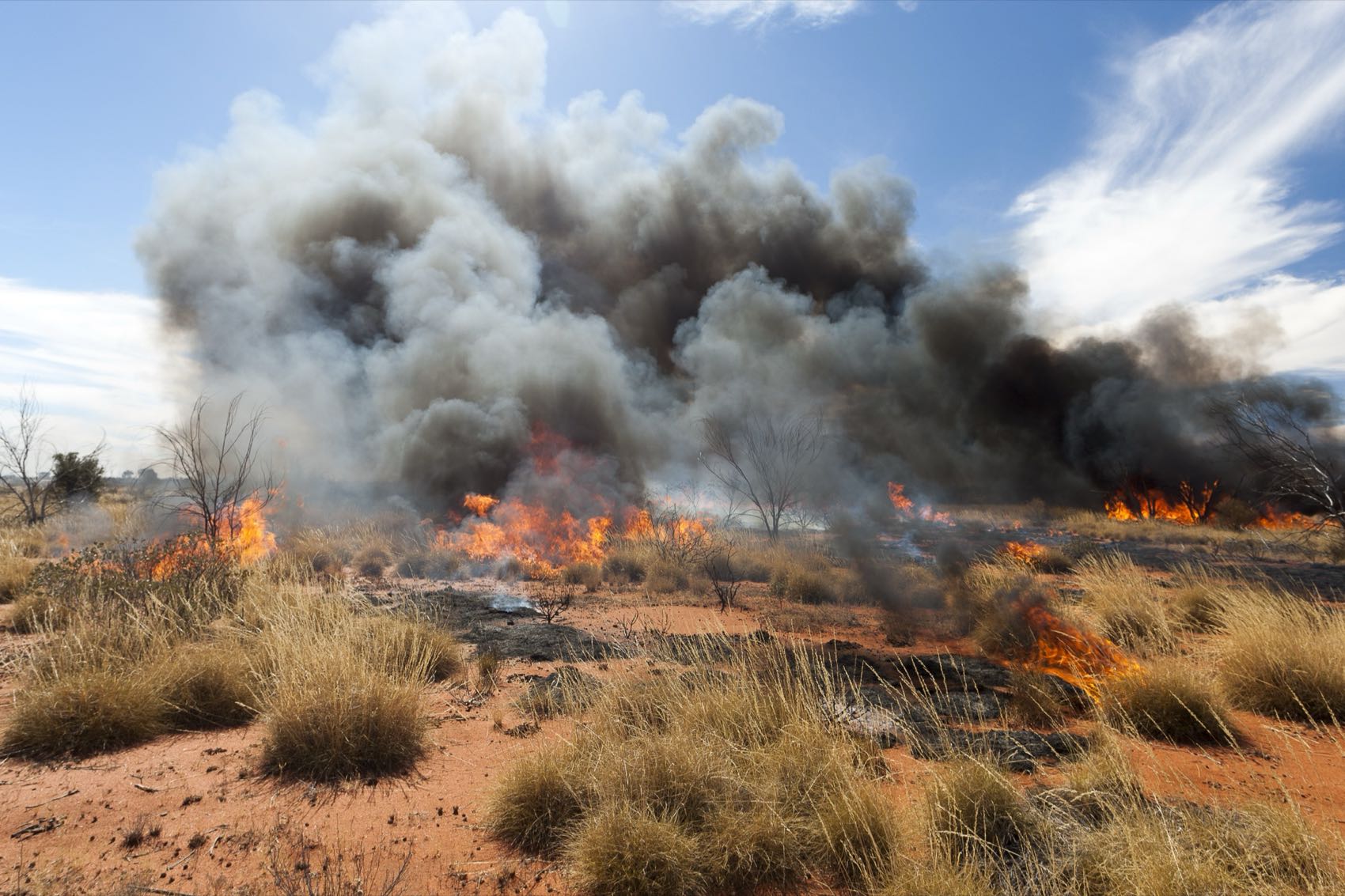
Defensible before the fire starts.
Bushfire management is not proven by the existence of a plan. It is proven by the condition of your controls, the clarity of your triggers, the currency of your treatments, and the decisions your people can explain under scrutiny.
What we test
Bushfire management, answered.
Do we need a Bushfire Management Plan (BMP), a Bushfire Response Plan (BRP), or both?
They do different jobs. A BMP lowers the likelihood and consequence of a fire before it starts, through mitigation, fuel management and treatment scheduling. A BRP sets out what your organisation actually does once a fire is threatening or underway. Most organisations with genuine exposure need both, connected rather than developed in isolation.
What does prescribed burning assurance actually cover?
Prescribed burning carries its own risk profile and its own scrutiny if it escapes prescription. Assurance work covers prescription development, authorisation, and the decision controls that determine who pauses the burn, who escalates, and what happens next if conditions move outside plan.
How does bushfire response fit alongside our existing ERT and ESO capability?
Fire behaviour, suppression technique and defensive decision-making under wildfire conditions are a distinct skill set on top of general ERT and ESO training, not something covered by it by default. We build the bushfire-specific layer on top of the response capability you already have.
ERT and ESO trainingWho is responsible if a fire starts off our site but threatens our operation?
That depends on your role and jurisdiction, but the practical question is the same either way. Does your organisation know its trigger points and escalation pathway early enough, or is it waiting on someone else's fire to reach the boundary before it acts. Where a threat like this escalates, we can also supply surge capability, trained operational firefighters and Incident Management Team personnel, to work alongside your people.
Incident Management Team supportHow often should our bushfire arrangements actually be tested?
At least annually and before the start of fire season, plus after any significant change to your risk profile, infrastructure or personnel. A plan that has not been exercised is an assumption, not a capability.
Exercise development and facilitationOur current bushfire plan or TARP has not been reviewed in years. Where do we start?
With an independent assessment of what still holds and what does not, against your current terrain, vegetation, access and operating context. That review identifies the real gaps before fire season, so they can be addressed on your terms rather than discovered during an actual response.
Your organisation. Your risk profile. Your plan.
Whether you need a Bushfire Risk Reduction Plan, prescribed burning assurance, a Bushfire Response Plan, exercising, or support during complex fire conditions, the conversation starts with how your organisation actually works and what you need to defend.