
Legislated obligations.Community expectations.
Emergency management for Local Governments where multi-agency coordination, public accountability and community trust define the operating environment.
Your community does not care about your governance structure.They care whether you can protect them.
Local Governments carry legislated emergency management obligations that most other sectors do not face. Local Emergency Management Arrangements (LEMA), community emergency risk assessments, recovery coordination, welfare arrangements and public warning obligations all require more than compliance: they require demonstrable capability.
The challenge is not understanding the legislation. It is building the operational capability to execute under pressure when multiple agencies, elected officials, media, and an anxious public are all demanding answers at the same time.
The reality
Most frameworks fail not in the writing, but in the doing. The plans exist. The committees meet. But when the warning drops at 2am on a Saturday, the question is whether your people know what to do, who to call, and how to coordinate across agencies that have never practised together.
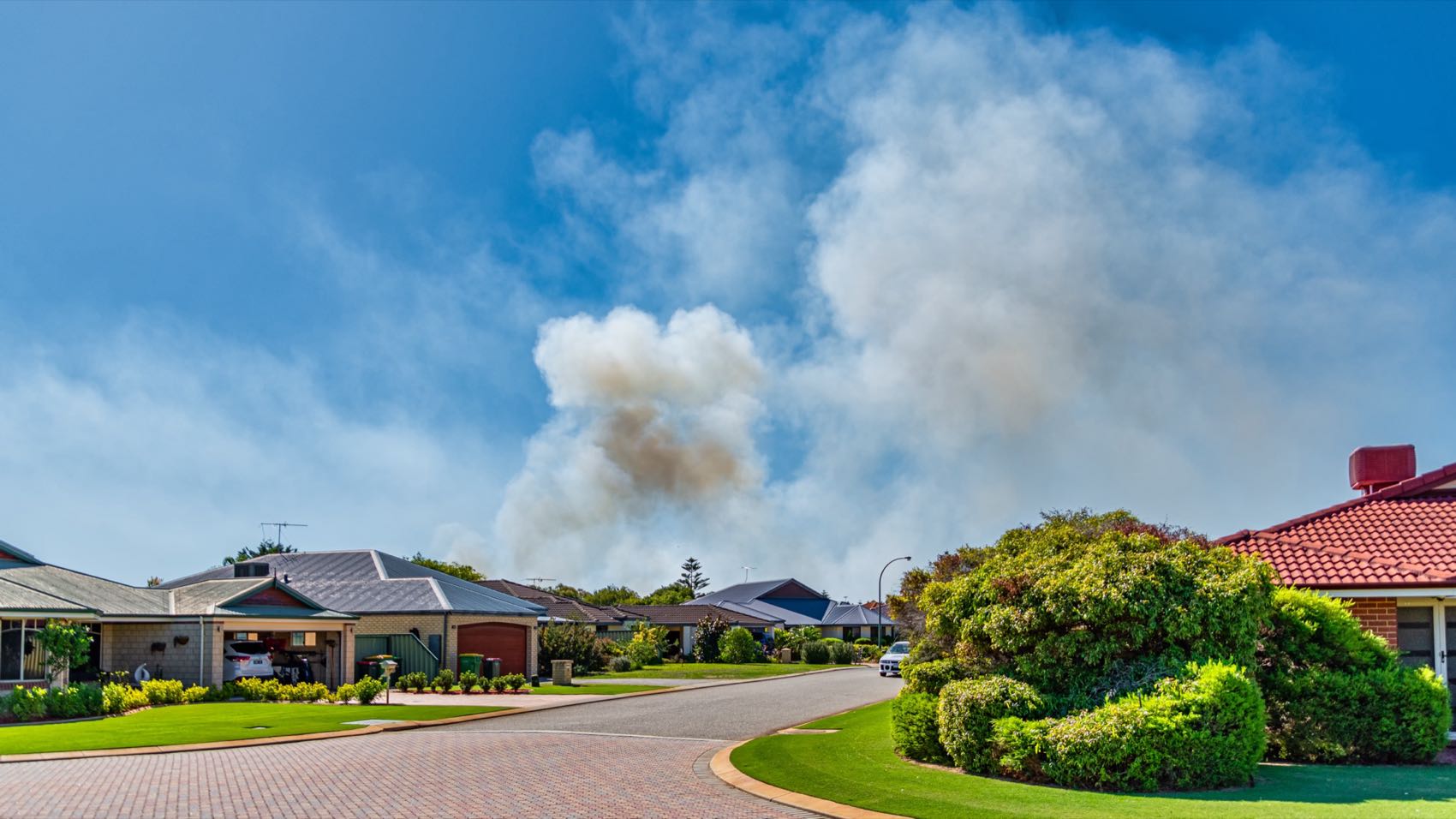
LEMA is the arrangement that helps your community deliver.
A current, practical LEMA is critical to Local Government emergency management. It gives the LEMC a dependable foundation for coordinated action, helping the people responsible for preparedness, response and recovery restore community normality after adversity.
Resolve helps Local Governments keep their LEMA current, exercised and connected to local risk, agency capability and community needs — so the arrangement supports delivery when it matters, not simply compliance on paper.
Periodic LEMA reviews
Structured five-year review, compliance assessment and document renewal that reflects your current risks, responsibilities and operating context.
Practical updates
Keep arrangements current as governance, people, hazards, service providers and community priorities change.
Annual exercise development
Design annual exercises that test the arrangement, reveal gaps and give officers, agencies and elected members confidence in how it works.
Community resilience
Build local capacity for adversity by connecting preparedness, community networks, local knowledge and clear recovery pathways.

Built around community
Local context is what makes an arrangement work.
Every Local Government is shaped by its people, geography, services, infrastructure and relationships. Those differences matter when a community faces disruption.
Emergency management arrangements need to reflect the place they serve, the partners they rely on and the practical pathways that help people prepare, respond and recover together.
What your plan says. What actually happens.
Every government emergency management framework looks sound on paper. The gaps only become visible when the system is loaded. Here is what we see when we test it.
Clear triggers documented. Nominated officer activates the LEMC. All members notified within 30 minutes.
Triggers are vague. The nominated officer is on leave. The deputy does not know they are the deputy. The contact list has not been updated since the last annual review.
Agencies assemble, share situation reports, and agree on priorities through a structured coordination process.
Five agencies in a room, each running their own response. No common operating picture. Two hours of discussion produces no clear actions. The situation on the ground has moved past the conversation.
Approved messages issued through agreed channels. Elected members briefed. Community informed and reassured.
Social media is running faster than your communication plan. Elected members are calling for updates you do not have. Residents are getting their information from Facebook, not from you.
Relief centre activated. Welfare registration operational. Affected residents supported through coordinated multi-agency welfare arrangements.
The relief centre is open but nobody is clear on who manages registration. Three agencies each think someone else is doing it. Residents are turning up and there is no intake process.
Transition from response to recovery occurs at an agreed point. Recovery coordinator appointed. Recovery plan activated.
Recovery questions start landing while response is still active. There is no recovery plan, no nominated coordinator, and no framework for running both at the same time.
Post-incident review completed. Lessons identified. Improvements implemented before the next season.
The review identifies the same gaps as the last exercise. The exercise that produced recommendations nobody actioned because there was no governance mechanism to track them.
We have coordinated multi-agency responses across cyclones, flooding, bushfires, and pandemics. We know what breaks when agencies converge and communities need answers.
Our practitioners have managed operational coordination involving multiple government agencies, emergency services, and community organisations working under pressure with competing priorities. That experience is the foundation of everything we build for the public sector.
Sectors we support
Keep the arrangement alive.
A LEMA is not a static document. It needs a disciplined cycle of review, exercising and improvement so the LEMC can oversee a system that helps the community recover its normality after disruption.
Review the arrangement
Review the LEMA against current legislation, local hazards, service dependencies, roles and agency capability. Identify what has changed and what needs to be made clear.
- Periodic statutory reviews
- LEMA updates and gap analysis
- Local risk and service mapping
Test it each year
Build annual exercises around the decisions and coordination your Local Government, LEMC and partner agencies will actually need to make — then capture the actions that follow.
- Annual exercise development
- LEMC and multi-agency scenarios
- After-action improvement planning
Build community resilience
Strengthen the local relationships, knowledge and recovery pathways that help communities prepare for adversity, withstand disruption and restore normality together.
- Community preparedness
- Recovery coordination
- Local capability and connections
Your community remembers the response. Your regulator reviews the evidence.
Legislative compliance
Emergency management legislation creates obligations that require demonstrable evidence of compliance. Not just plans on the shelf, but exercised capability, trained personnel, and governance that can be evidenced under audit or inquiry.
Community trust
Your community expects competent, coordinated emergency response. A visibly disorganised response erodes public confidence in government far beyond the incident itself. That trust takes years to rebuild.
Political accountability
Elected members carry personal accountability for emergency management decisions in their jurisdiction. They need to understand the framework, their role within it, and have confidence that the capability beneath them is real and tested.
Post-incident scrutiny
Inquiries, reviews, and coronial investigations all examine what you did, what you should have done, and whether your preparation was adequate. The time to build defensible evidence of capability is before the incident, not after.
From governance review to operational confidence.
Every engagement starts with understanding your legislative context, your current capability and the gaps between the two. We do not apply templates. We build frameworks that reflect your jurisdiction and your community.
Assess
We start by understanding how your emergency management governance actually functions. Not the documents, the practice. LEMC effectiveness, legislative compliance gaps, risk profile accuracy, multi-agency coordination readiness, and capability maturity across your organisation.
Build
We build the frameworks, plans, and coordination arrangements your organisation needs. Each deliverable is designed for your specific jurisdiction, your community, and the agencies you work with.
Validate
We test what we have built. Desktop exercises, functional exercises, multi-agency scenarios, and stress testing that surfaces the gaps you need to see before they surface during a real event.
Your community deserves emergency management that works under pressure, not just on paper.
Whether you need a governance review, LEMC support, multi-agency exercising, or recovery planning, talk to us about building capability your organisation and your community can rely on.