Trust and credibility
How leaders build confidence through competence, consistency, judgement and behaviour.
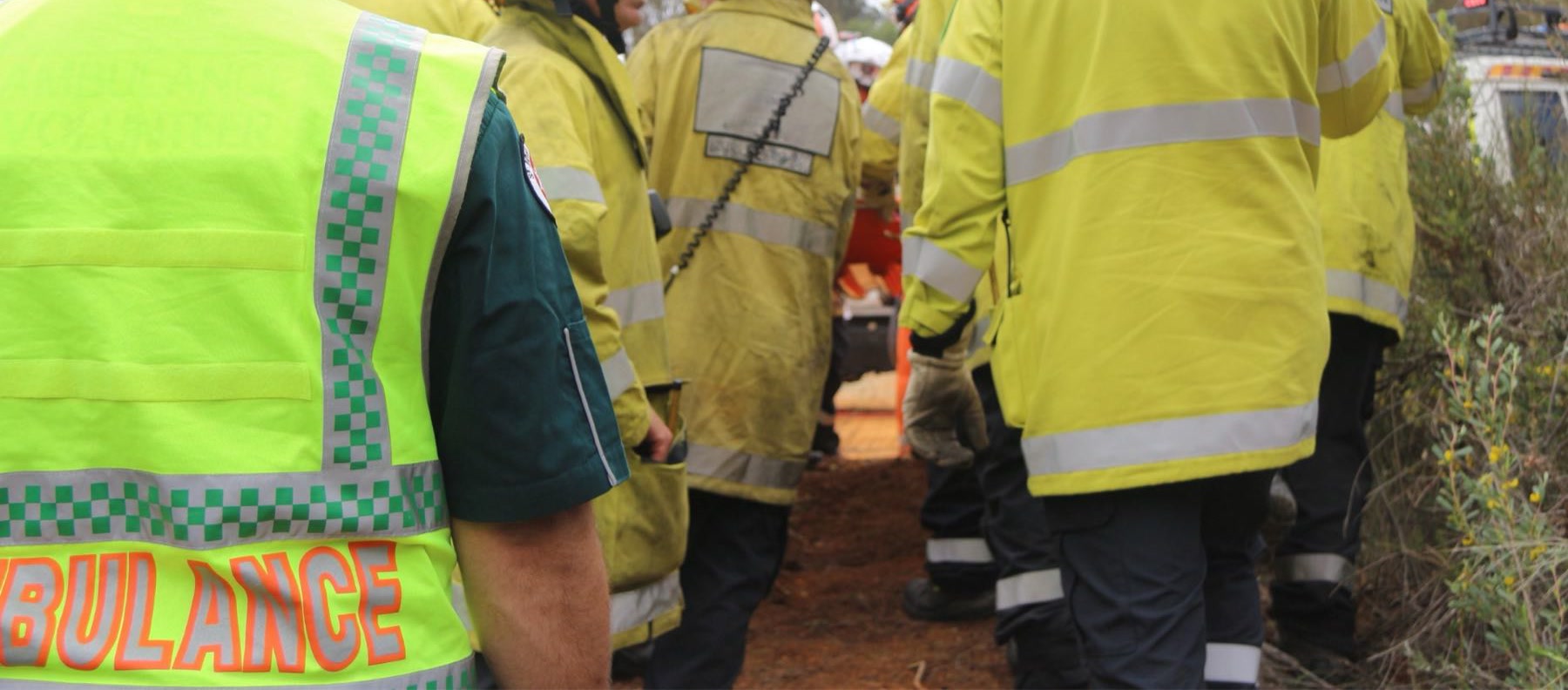
We build genuine leadership capability for senior and frontline leaders operating in high-risk, high-consequence environments across Western Australia.Built by emergency services leaders for emergency services teams.
Custom leadership programs for teams that have to perform when it matters.
We design and deliver leadership programs for organisations operating in complex, high consequence environments.
Technical competence matters. Individual resilience matters. But neither automatically creates a high performing team.
Operational leadership depends on how people communicate, interpret information, manage disagreement, establish trust, exercise authority and coordinate action as conditions change.
Leadership development cannot stop at individual behaviour.
The objective is not to manufacture a particular leadership style. It is to develop leaders who understand their people, recognise what is happening within a team and adapt their leadership to the situation in front of them.
Built from operational leadership
Our approach comes from developing and leading teams across emergency services and emergency management. The work is grounded in uncertainty, fatigue, incomplete information, competing priorities, public consequence, interagency coordination and sustained operational pressure.
Information is incomplete
People disagree
Workload exceeds capacity
The team still has to function
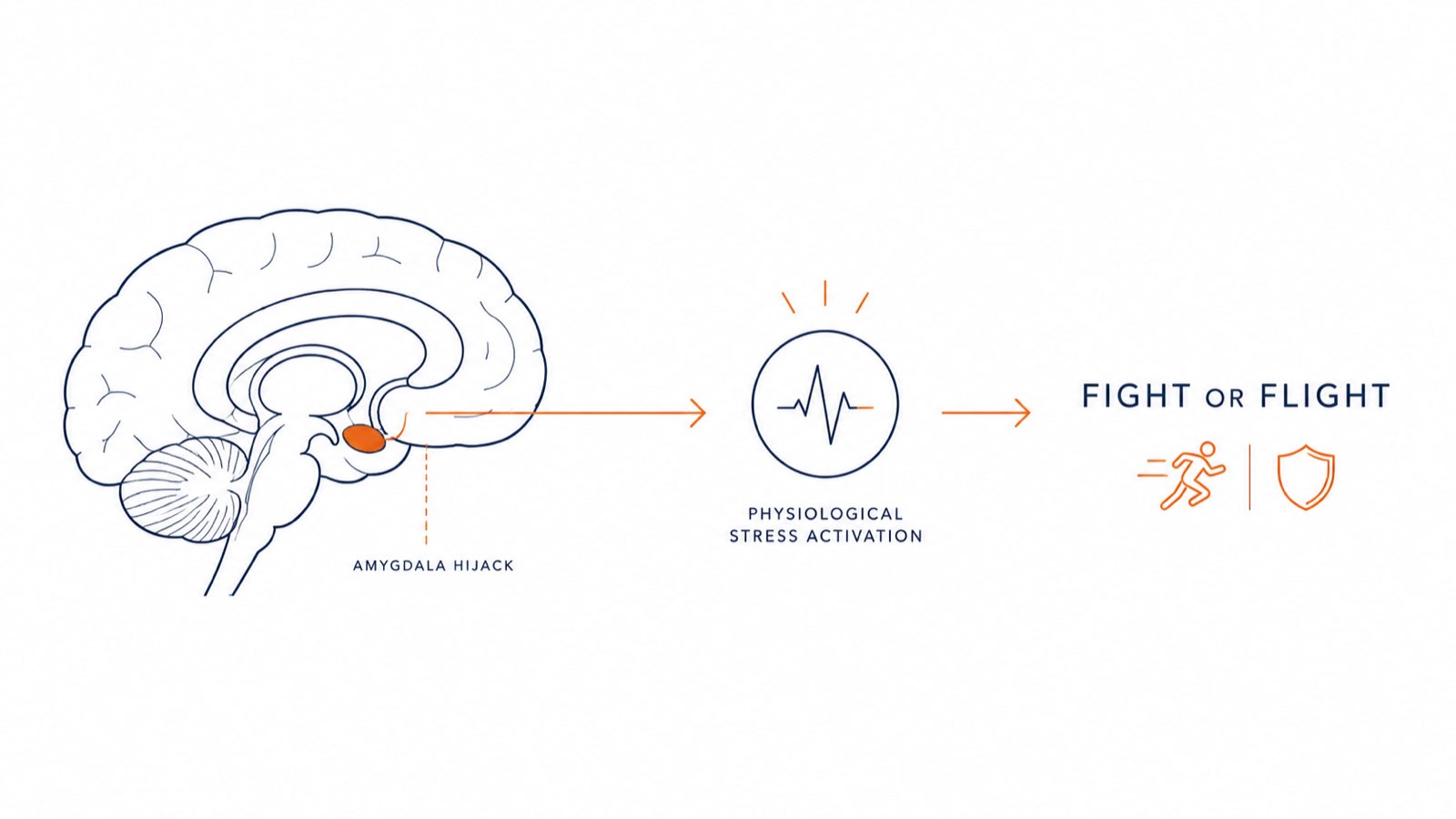
High performance is not achieved by telling people to become more resilient. Leaders need to understand how pressure affects cognition, behaviour and team performance.
How leaders build confidence through competence, consistency, judgement and behaviour.
Creating clarity when information is incomplete, contested or changing rapidly.
Developing teams that can challenge decisions, raise concerns and resolve disagreement without damaging relationships or operational effectiveness.
Knowing when to consult, decide and intervene while holding standards without unnecessary escalation.
Building a shared situational picture so people operate from common understanding rather than individual tasks.
Understanding how stress, workload and uncertainty change behaviour across a team before performance deteriorates.
The objective is not clinical psychology. It is giving leaders a usable understanding of human performance so they can recognise what is happening in themselves and others, then respond effectively.
Observable behaviour
We are less interested in whether someone can describe leadership than whether they can demonstrate it. Programs combine facilitated learning with practical application in scenarios built around the organisation’s operating environment.
Participants may be required to
No two programs need to be the same. Before delivery, we work with the organisation to understand its operating environment, leadership structure, workforce profile, current capability and leadership challenges.
Day one
Understanding leadership as a performance system. Human behaviour under pressure, trust, credibility, influence, adaptability and the foundations of effective teams.
Day two
Difficult conversations, challenge, feedback, interpersonal dynamics, authority and maintaining productive relationships when people disagree.
Day three
Cognitive load, uncertainty, bias, judgement, situational awareness and maintaining decision quality when information is incomplete.
Day four
Team dynamics, psychological safety, accountability, shared mental models, coordination and leadership interventions when team performance begins to deteriorate.
Day five
Integrated scenarios, facilitated observation, feedback, reflection and practical planning for continued leadership development.
Every component can be modified to suit the organisation. The program follows the capability requirement, not a fixed curriculum.
The difference is context
Teams may be assembled quickly. Authority can be formal and informal. Personnel may come from multiple agencies. Information is often incomplete, and communities, executives, government and operational personnel may all require attention at once.
The leader has to do more than project confidence. They must create clarity, maintain trust, manage people, understand consequence and keep a team functioning through uncertainty.
Our programs combine operational leadership experience with current research in human factors, leadership psychology, team performance, decision science, psychological safety, crisis leadership and organisational capability.
Leadership development within the environment where your people operate.
High interaction, practical application and meaningful facilitator feedback.
Built around your operational risks, leadership challenges and workforce.
Discussion, practical exercises, scenario work and facilitated reflection.
Development focused on behaviours that can continue to be reinforced after the program ends.
No. We design each program around the operating environment, leadership challenges and workforce of the organisation. The scenarios and conversations come from the work participants are expected to lead.
The program is built for senior and frontline leaders in emergency services, emergency management and other high consequence operations. It suits people who need to make decisions, coordinate teams and communicate clearly when conditions are changing.
Programs are delivered on site in small cohorts. They combine facilitated discussion, practical exercises, realistic scenarios and feedback so participants can practise the behaviours their roles require.
Yes. Leadership development and IMT development address different things and reinforce each other well. IMT development builds the structure, roles and processes a team operates through. Leadership development builds the judgement, communication and composure the people in those roles need when the structure is under real pressure.
Incident Management Team developmentResolve develops custom leadership programs for emergency services, emergency management teams and organisations operating in complex and high consequence environments.