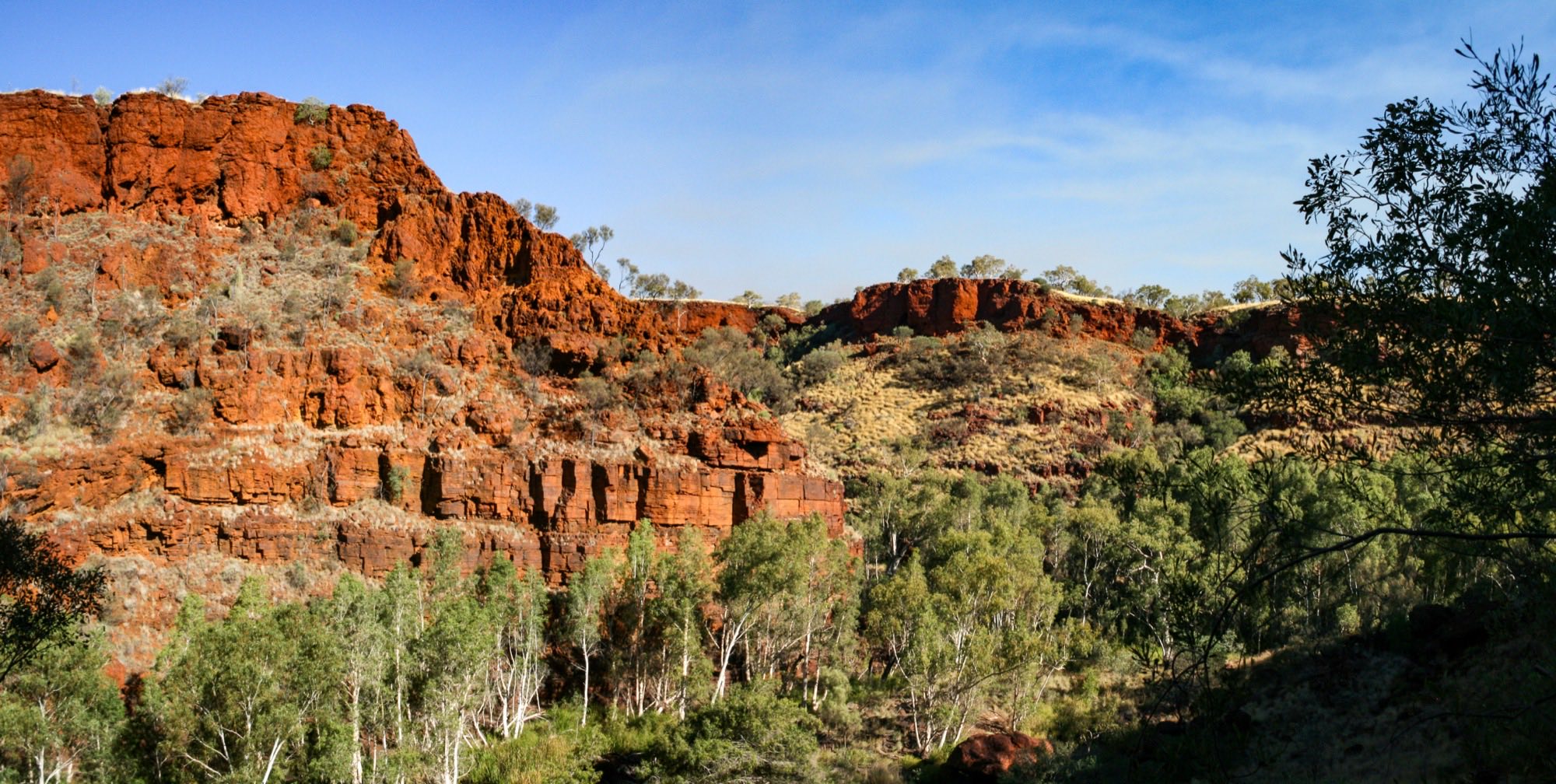
Emergency management for the Kimberley.
Cyclone country, where the wet season can close the only road for weeks and the nearest support is a very long way away.
What makes the Kimberley different.
The Kimberley is one of the most remote operating environments in Australia. Its shires are vast, its communities are dispersed, and for months of the year the monsoon can isolate towns, stations and sites by road entirely. Cyclones, prolonged flooding and extensive savanna fire are annual, not exceptional. Planning has to assume isolation, not treat it as the worst case.
Resolve supports Kimberley local governments and operators with emergency arrangements designed for that reality. They account for flooded water crossings and roads that need four-wheel drive for months of the year, they are clear on who decides what while access is cut, and they are tested before the wet season closes in.
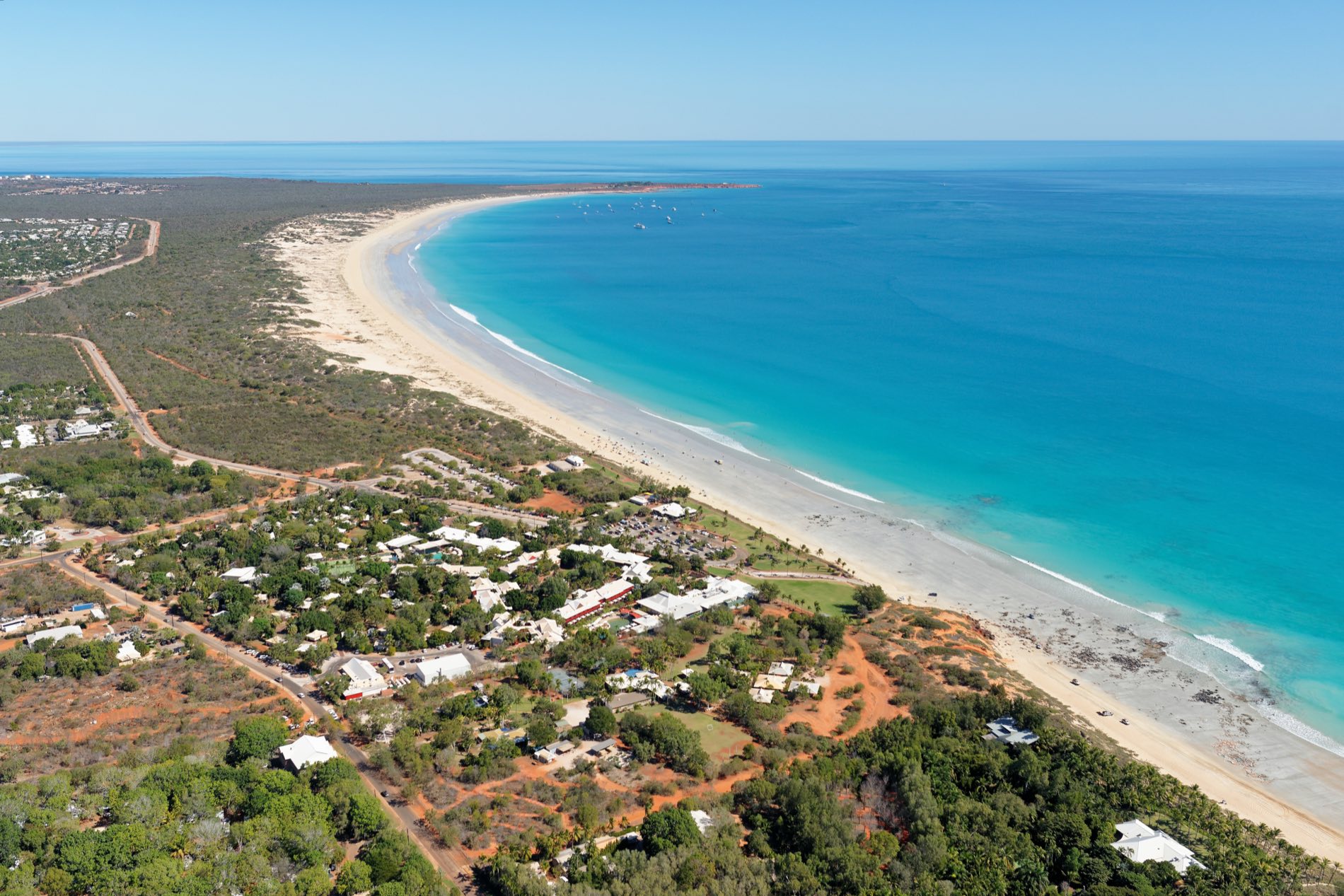
The hazards we build for in the Kimberley.
Tropical cyclones
Direct and near-coast systems requiring shutdown, sheltering and recovery decisions with little external support.
Monsoon flooding
Prolonged wet-season flooding that closes highways and community access for days to weeks at a time.
Extreme remoteness
Enormous distances between towns, services and mutual aid. Arrangements must work with what is already in the region.
Savanna fire
Very large annual burnt area across pastoral and conservation country, with fire management a year-round consideration.
On site where it matters. Remote where it makes sense.
Kimberley work runs as a blend. Planning and review is done remotely, and we mobilise for workshops, exercises and site work. It is all scheduled around the dry season and local availability.
Sectors we support
- Local government
- Resources and exploration
- Pastoral stations
- Tourism and remote hospitality
- Aquaculture
- Remote communities
The work that carries the most weight in this region.
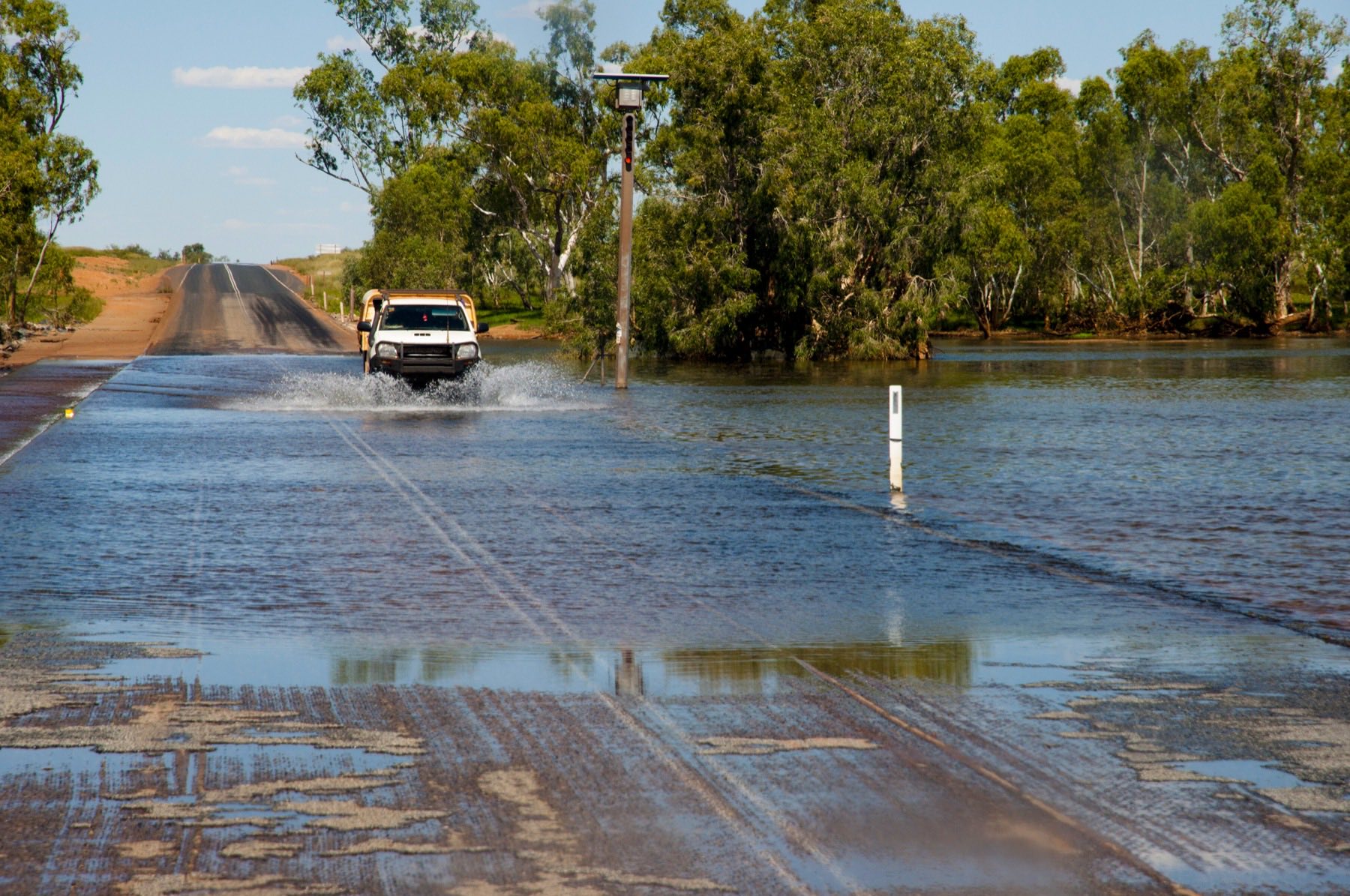
Resolve supports Kimberley local governments and operators with emergency planning and readiness built for wet-season isolation and cyclone exposure.
Kimberley, answered.
How does Resolve deliver work in the Kimberley?
As a blend. Planning, review and advisory work is done remotely, and we travel for workshops, exercises and site work, scheduled around the dry season and local availability. Mobilisation is scoped with you for each engagement.
Talk to us about the KimberleyCan you help with cyclone and wet-season plans?
Yes. We work on the decision structure, triggers and escalation for cyclone response and for extended isolation. That covers who decides what while the road is closed, how resupply and evacuation are handled, and how the plan is tested before the wet.
Governance and ReviewDo you support Kimberley local governments with LEMA?
Yes. We review and develop Local Emergency Management Arrangements for the region’s large, remote shires, run the LEMC engagement, and provide Council-ready documentation and a maintainable improvement plan.
LEMA and LEMCCan Resolve provide incident management support during an event?
Yes. We provide AIIMS-aligned Incident Management Team support and development, including remote support where travel is not possible in time, and can help build the capability in-house for the periods when the region is cut off.
Incident Management TeamsWorking in the Kimberley?
Tell us what you are preparing for. We will talk it through and show you how we would approach it.
Start the conversation