Critical Infrastructure

When the network goes down, everything else follows.

Emergency management for energy, water, telecommunications, road and rail network operators, where one failure reaches every home, hospital and business that depends on it.

Emergency management for the networks everyone relies on.

Energy, water, telecommunications, roads and rail sit underneath everything else. When they fail, hospitals, emergency services, businesses and households feel it at once, and every hour of restoration is watched.

We help network operators prepare the people, structures and decisions that hold through extended disruption, from the control room to the executive team.

Resolve works with critical infrastructure operators across Western Australia, from metropolitan freeways and rail to remote and regional assets.

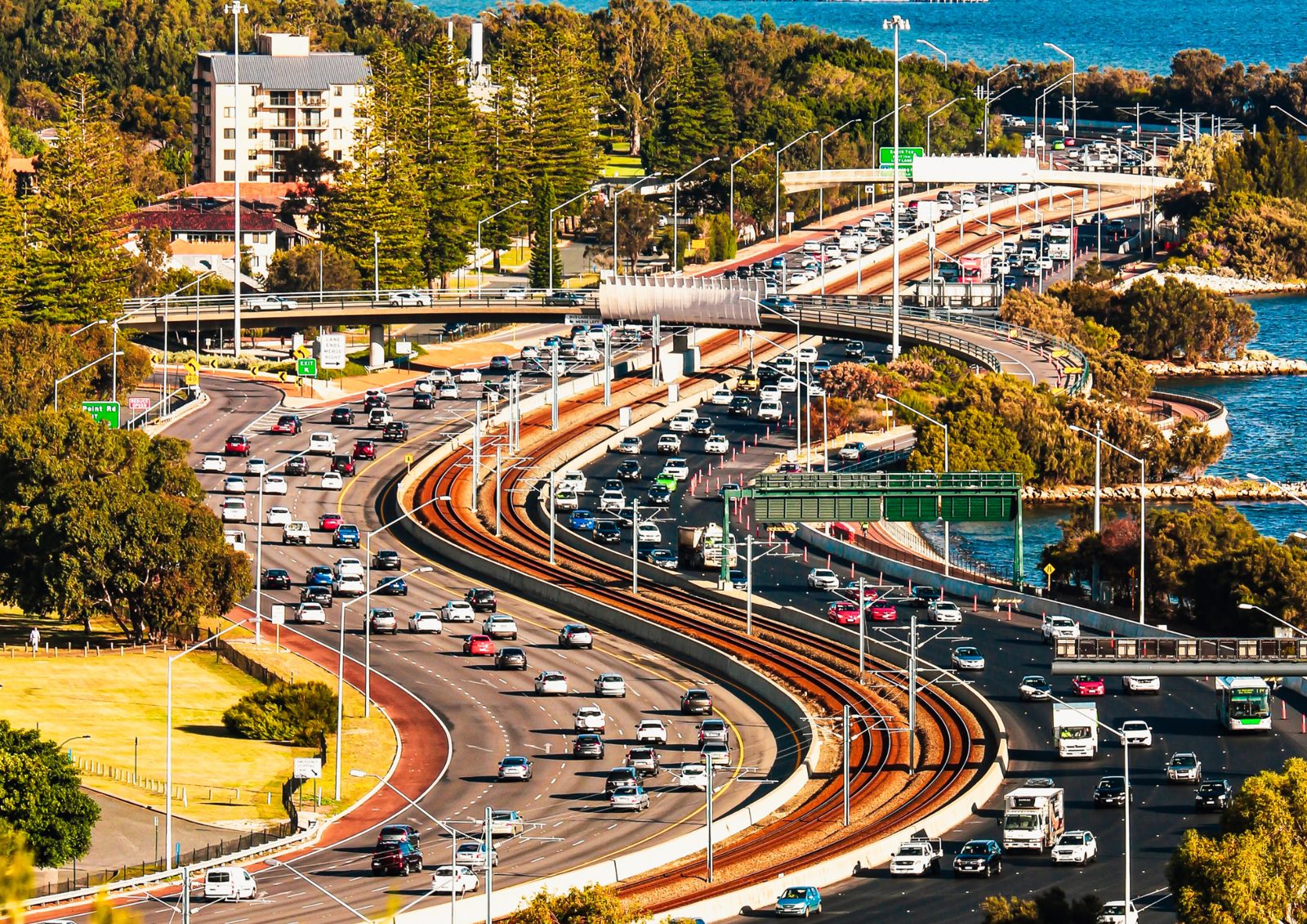
Perth freeway traffic running beside the rail line along the river

On your network

What we deliver, stated plainly.

Eight capabilities your organisation can call on, from the boardroom to the field.

01

Crisis Management Team readiness

Executives who know their role when a failure becomes a crisis, separate from the teams restoring the network.

How a Crisis Management Team works with the IMT
02

Incident Management Team development

AIIMS-aligned structures and functional roles built around how your control rooms and field crews actually work.

IMT training and development
03

Extended disruption and cascading failure exercises

Scenarios that run past the first hour, into fatigue, restoration trade-offs and the failures that follow the first one.

Exercise design and facilitation
04

Emergency and crisis plan review

Independent review of whether your plans match your network, your people and your obligations as they are now.

Governance and review
05

Escalation and notification pathways

Clear thresholds for when to call executives, regulators, government and other agencies, and who makes that call.

06

Bushfire and severe weather readiness

Triggers, decision controls and response plans for the hazards that threaten assets and corridors across the state.

Bushfire management
07

Aerial asset and impact assessment

A fast aerial view of lines, pipelines, roads and sites after an event, so crews go where they are needed first.

RPAS operations
08

Post-incident review

An independent account of what held and what failed, with corrective actions tracked to closure.

Post-incident review

Across every network

Towers, roads, rail, water and power.

The networks a community runs on, and the people who keep them running.

How we deliver for infrastructure operators

Capability your network can use.

Built around your assets, your people and the hazards they face.

Crisis and incident management

One structure from the control room to the boardroom, so the response and the organisation move together.

  • Crisis Management Team roles, rhythms and decision logs
  • Incident Management Team structures and functional roles
  • Interfaces between control rooms, field crews and executives
  • Call-as-needed support during a live event
Exercising

Test the scenarios that keep your executives up at night, before they happen.

  • Extended outages, closures and network-wide disruption
  • Cascading failure across dependent networks
  • Multi-agency exercises with emergency services and government
  • Independent evaluation with tracked corrective actions

Governance and assurance

Evidence your arrangements work, for your board and your regulators.

  • Emergency and crisis management plan review
  • All-hazards readiness assessment
  • Escalation, notification and decision authority
  • Board and executive assurance reporting

Hazards across the network

Assets spread across the state face every hazard the state has.

  • Bushfire risk around lines, pipelines, corridors and sites
  • Cyclone, storm and flood response planning
  • Asset protection priorities and decision controls
  • Aerial impact assessment after an event
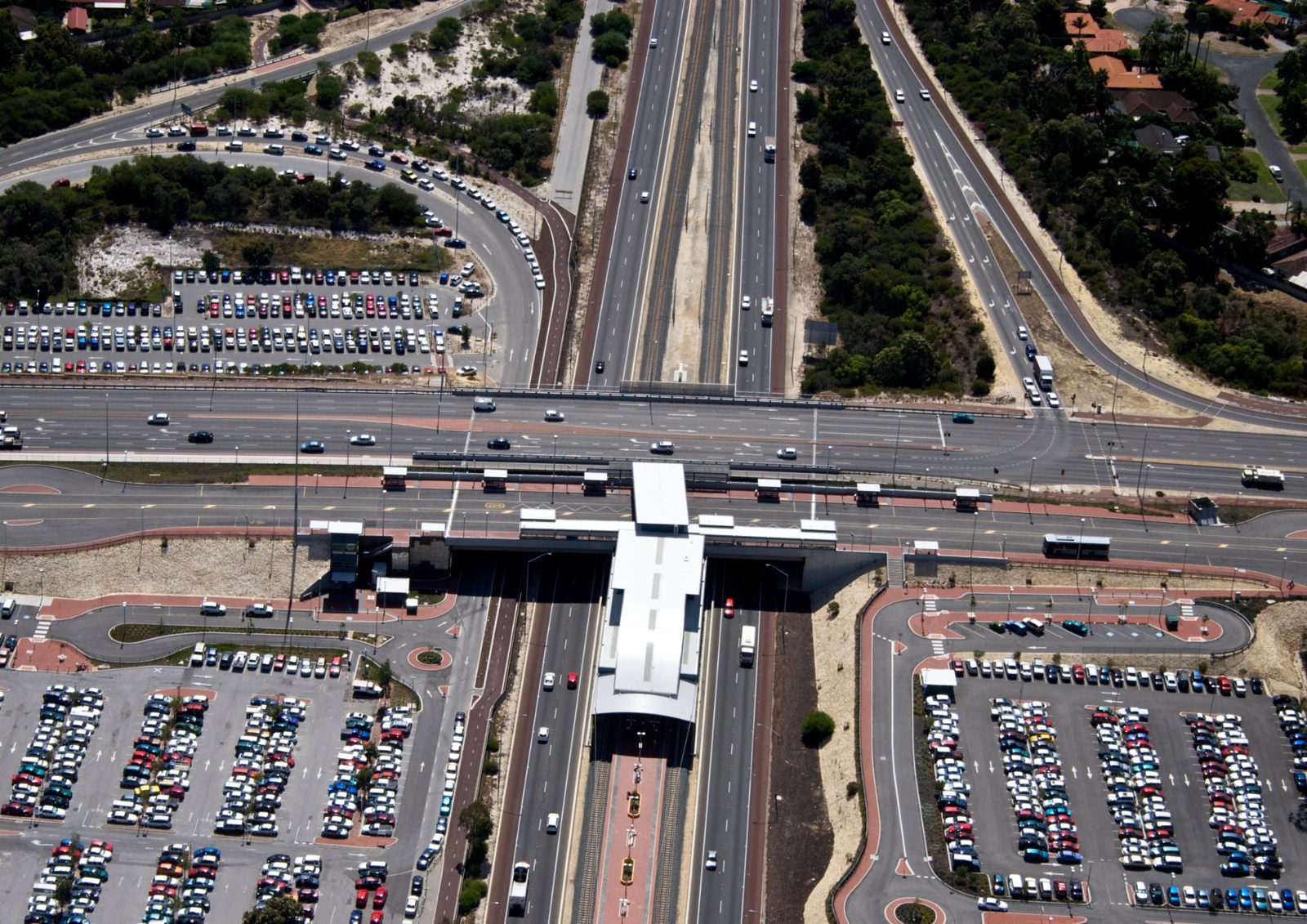
Aerial view of a rail station in a freeway median with park-and-ride car parks

Road and rail networks

When the network moves people, every closure is public.

Road and rail operators carry a different load: closures, diversions, stranded passengers, and emergency services that need the same corridors to respond.

  • Incident and closure management structures
  • Coordination with police, emergency services and local government
  • Passenger and motorist welfare during extended disruption
  • Exercises for major crashes, closures and evacuation routes

Strategic advisory

Decision assurance when the network is under threat.

Restoration order, closures, public messaging and when to escalate are decisions made fast, in public, and reviewed later. We help senior leaders identify the decisions that matter and hold a defensible position through them.

  • Restoration, closure and diversion priorities
  • Escalation to executives, regulators and government
  • Interfaces with emergency services and other agencies
  • Communication with customers and the community
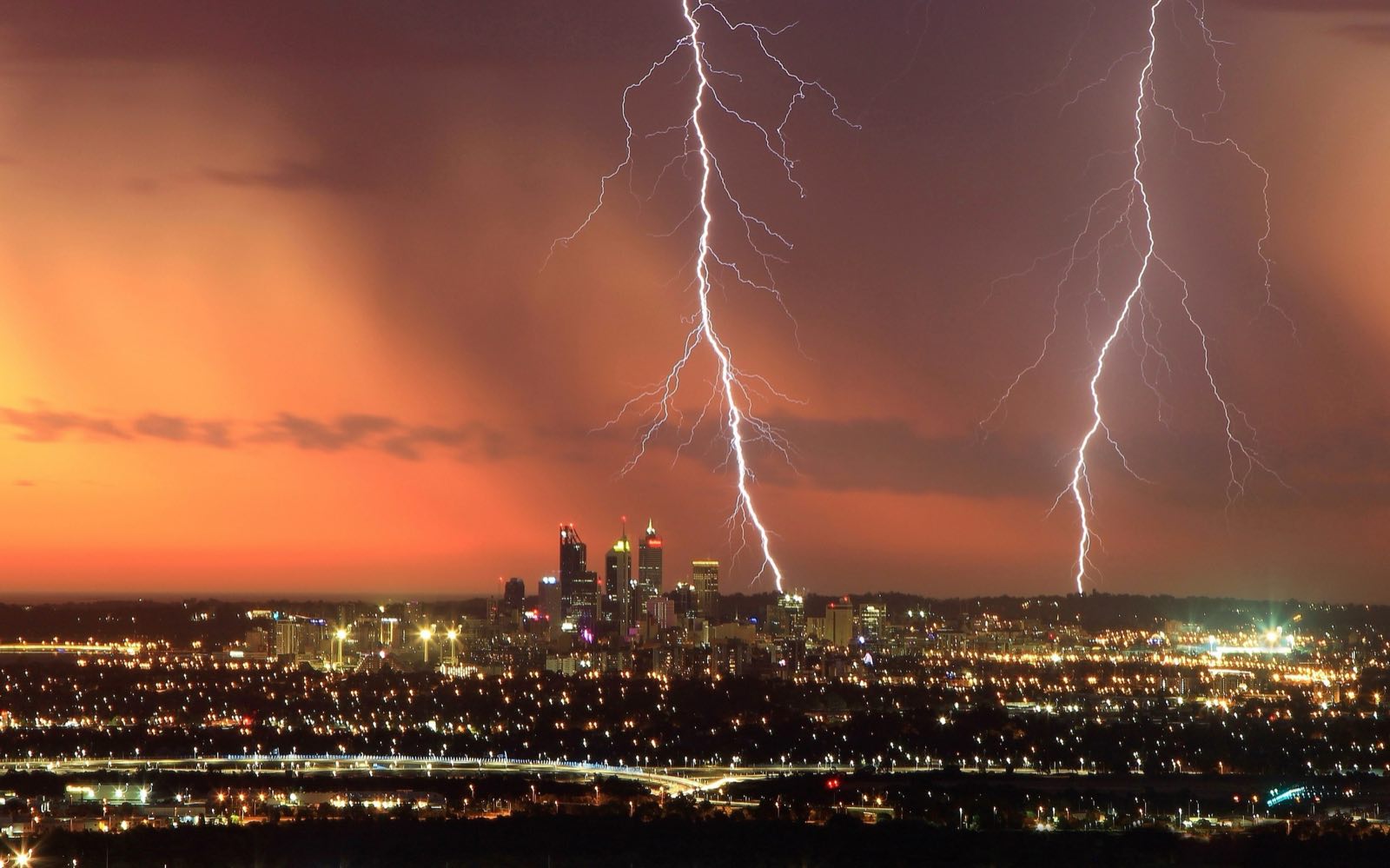
Lightning storm over the Perth city skyline at dusk
Common questions

Critical infrastructure, answered.

Which operators do you work with?

Energy, water, telecommunications, road and rail network operators across Western Australia, on crisis and incident management, exercising, plan review and post-incident review.

What makes a critical infrastructure exercise different?

The scenario has to run long enough to matter. Extended outages, restoration trade-offs, fatigue and failures in dependent networks are where arrangements are really tested.

Exercise development and facilitation

Can you help with all-hazards obligations under the SOCI Act?

The Security of Critical Infrastructure Act 2018 expects responsible entities to manage hazards that include natural and physical events. We help test and evidence the emergency and crisis arrangements that sit behind that, through exercises, reviews and assurance reporting.

Governance and review

Do you work on regional and remote networks?

Yes. We work from Perth across every region of Western Australia, including remote assets exposed to bushfire, cyclone and flood.

The community notices when you fail. Make sure they never have to.

Talk to us about where your arrangements stand, and what it would take to prove they hold.

General information only, not legal advice.