One disruption.The entire network feels it.
Emergency management for critical transport infrastructure where disruption cascades across supply chains, communities, and the broader economy within hours.
Transport infrastructure does not fail in isolation.Disruption cascades.
Airports, ports, rail corridors and road networks operate as one interconnected system. A single incident at one node cascades into supply chains, passenger movements, freight logistics and community access. Emergency management here demands procedural discipline and the ability to coordinate operators and emergency services all at once.
The operating environment is unforgiving. Multiple safety regulators expect demonstrable readiness, not just documentation, and every hour of disruption compounds against passengers, freight and connecting networks that depend on you.
The reality
Most transport operators can point to a plan. Far fewer can show that their people, their coordination arrangements and their decision-making have actually been tested under realistic conditions before an incident forces the question.
One incident. Five consequences. How far does yours cascade?
Transport infrastructure is interconnected. A single disruption at any point propagates through the network. Here is what a fuel spill on an airport apron looks like when you trace it through the system.
Incident
Fuel spill on the apron during refuelling. Fire services respond. The affected bay is isolated. The aircraft cannot move.
Operations halt
Adjacent bays restricted. Three departures delayed. Arriving aircraft diverted to alternate stands. Ground handling schedules disrupted across the terminal.
Cascading delays
Delayed aircraft miss their slots at destination airports. Connecting passengers miss onward flights. Freight consignments miss road transport connections.
Supply chain impact
Temperature-sensitive cargo has exceeded its cold chain tolerance. Regional communities waiting on medical supplies face delays. Road freight schedules are disrupted to compensate.
Regulatory scrutiny
ATSB notified. CASA requesting documentation. Your insurer wants the incident report. Your board wants to know why a fuel spill shut down operations for six hours.
Your emergency management capability determines whether this is a contained incident or a network-wide disruption. The difference is preparation.

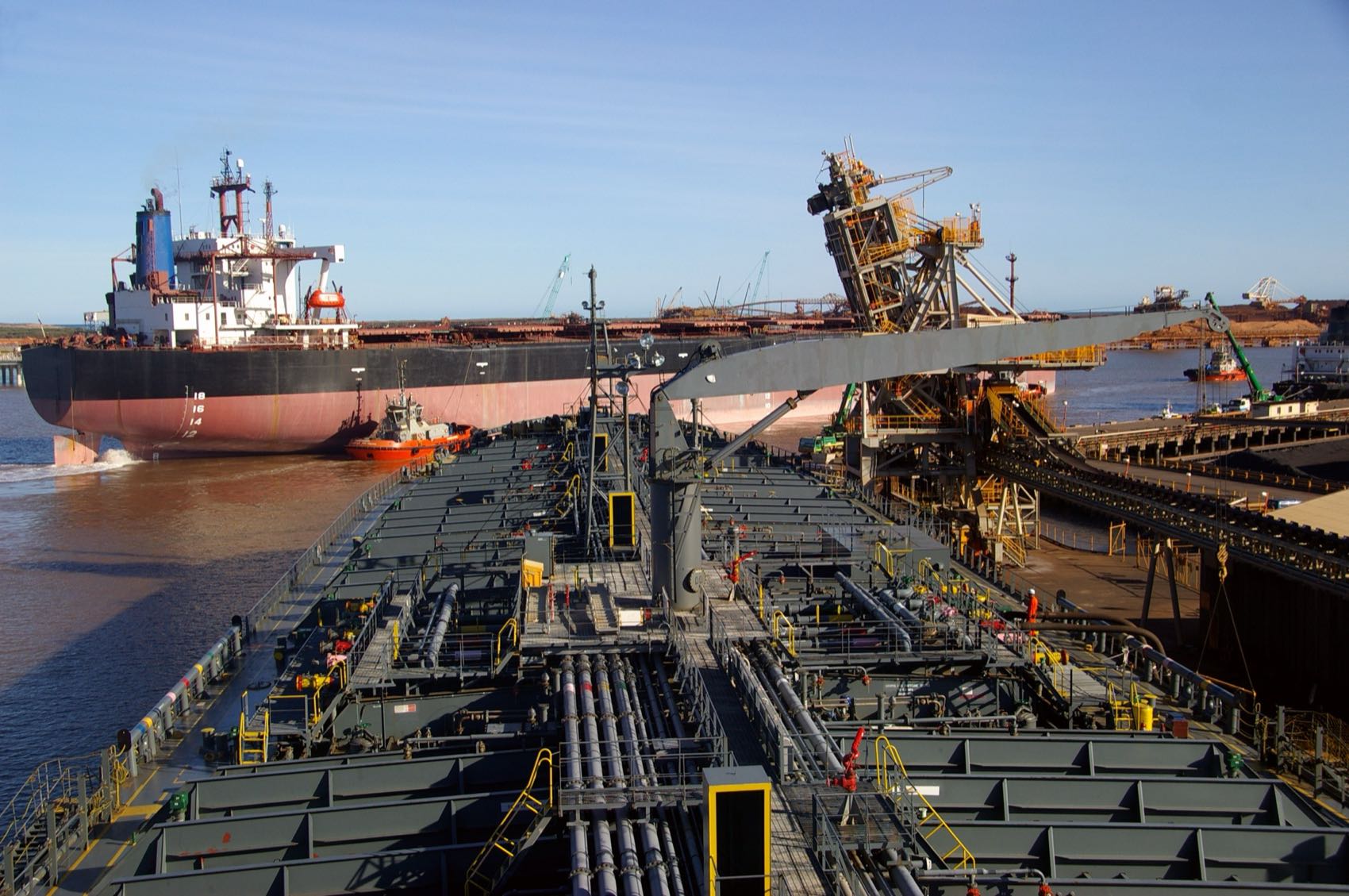
Transport emergencies test every coordination mechanism you have. We build the ones that hold up.
Our practitioners bring deep experience in emergency planning, multi-agency exercising, and regulatory compliance across complex operating environments. We understand the coordination demands of transport infrastructure, the regulatory frameworks that govern it, and the operational disciplines required to manage incidents where disruption cascades faster than most organisations can respond.
Sectors we support
Airports
Regional and international aerodromes
Ports & Terminals
Bulk, container, and cruise operations
Rail
Passenger and freight networks
Road Networks
Highways, tunnels, bridges
Freight & Logistics
Supply chain and distribution
Crisis leadership built for critical infrastructure.
Incident management, exercise development and leadership capability for the people who run critical assets.
Crisis & Incident Management
Incident command structures and EOC establishment for aviation, port, rail and road incidents, built for the moment aviation, maritime, road and rail interfaces all activate at once and someone has to run the response.
Exercise Development
Full-scale and scenario-based exercises built around your aerodrome, port or corridor's actual risk profile, designed to meet regulatory requirements while genuinely testing coordination, communication and decision-making under realistic pressure.
Operational Leadership Programs for Critical Decision Makers
Leadership development for the people who make the call when a critical asset goes down, building the judgement, communication and command presence boards and executives need under pressure, not just the paperwork.

A single aerodrome incident can hold an entire network on the ground.
Aviation operates to a different tempo than road or rail. Decisions are measured in minutes, procedures are exacting, and the coordination between operators, ground handlers and emergency services has to work the first time, not the second. We build the plans, exercises and leadership capability that hold up when a departure delay becomes an incident.
Transport infrastructure keeps communities connected and supply chains moving. When it fails, everyone notices. When you are not prepared, it's noticed.
Your emergency management capability is assessed by regulators, tested by incidents, and scrutinised by insurers. The standard is not whether you have a plan. It is whether you can demonstrate that your plan works, your people are trained, and your coordination arrangements have been tested under realistic conditions.
Regulatory compliance
CASA, AMSA, and rail safety obligations require demonstrable evidence, not just documentation.
Network resilience
Your disruption becomes your neighbour's disruption. Cascading consequences define transport risk.
Community dependency
Regional communities depend on transport links for essential services, medical access, and economic activity.
Recovery speed
Every hour of disruption compounds. Your recovery time determines the economic and community impact.
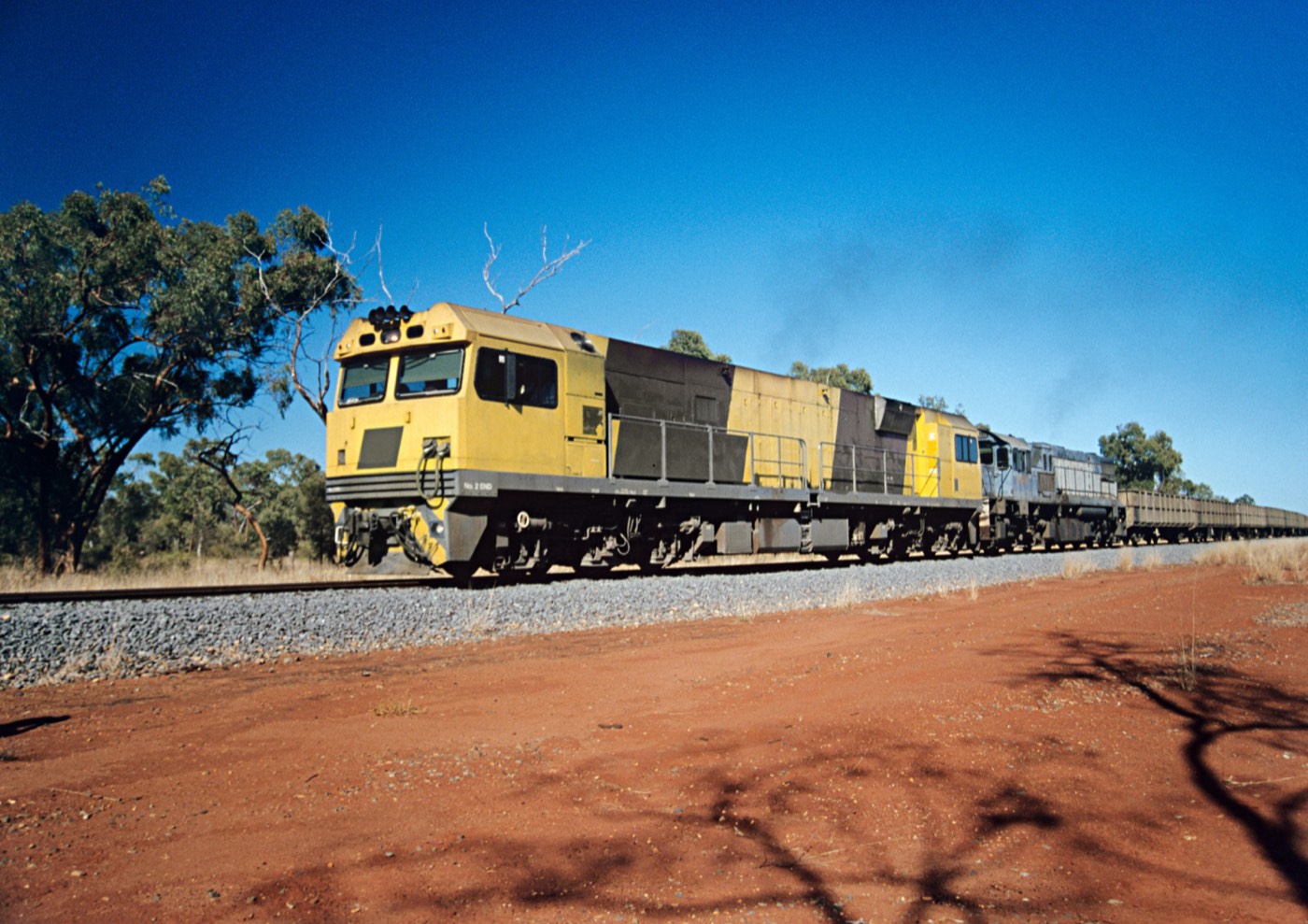
A rail corridor incident does not stay on the rail network.
Freight delays cascade into ports, road transport and the communities and industries waiting on what that train is carrying.
From compliance gap to operational confidence.
Every engagement starts with understanding your regulatory obligations, your operational environment, and where the gaps sit between what your documentation says and what your teams can execute.
Assess
- Regulatory compliance audit
- Emergency plan gap analysis
- Exercise history review
- Multi-agency coordination assessment
- Infrastructure vulnerability mapping
Design
- Emergency response plans
- Port and terminal procedures
- Transport corridor continuity plans
- Multi-modal coordination protocols
- Communication and warning frameworks
Deliver
- Staff and operator training
- Incident Management Team development
- Agency liaison establishment
- Exercise program design
- Regulatory submission preparation
Validate
- Desktop and functional exercises
- Full-scale multi-agency exercises
- Regulatory exercise compliance
- Post-exercise improvement tracking
- Ongoing advisory and seasonal reviews
Your infrastructure demands emergency management that matches its criticality.
Whether you need an emergency response plan, full-scale port exercise, transport corridor risk assessment, or compliance validation, talk to us about building capability your operations and your regulator can rely on.