When complexity and consequence collide. We lead the response.
Senior AIIMS Incident Controller and Incident Management Team support deployed to your site during a running incident, wherever the incident is.
Complex incidents in remote environments do not wait for your systems to catch up. They expose the gaps.
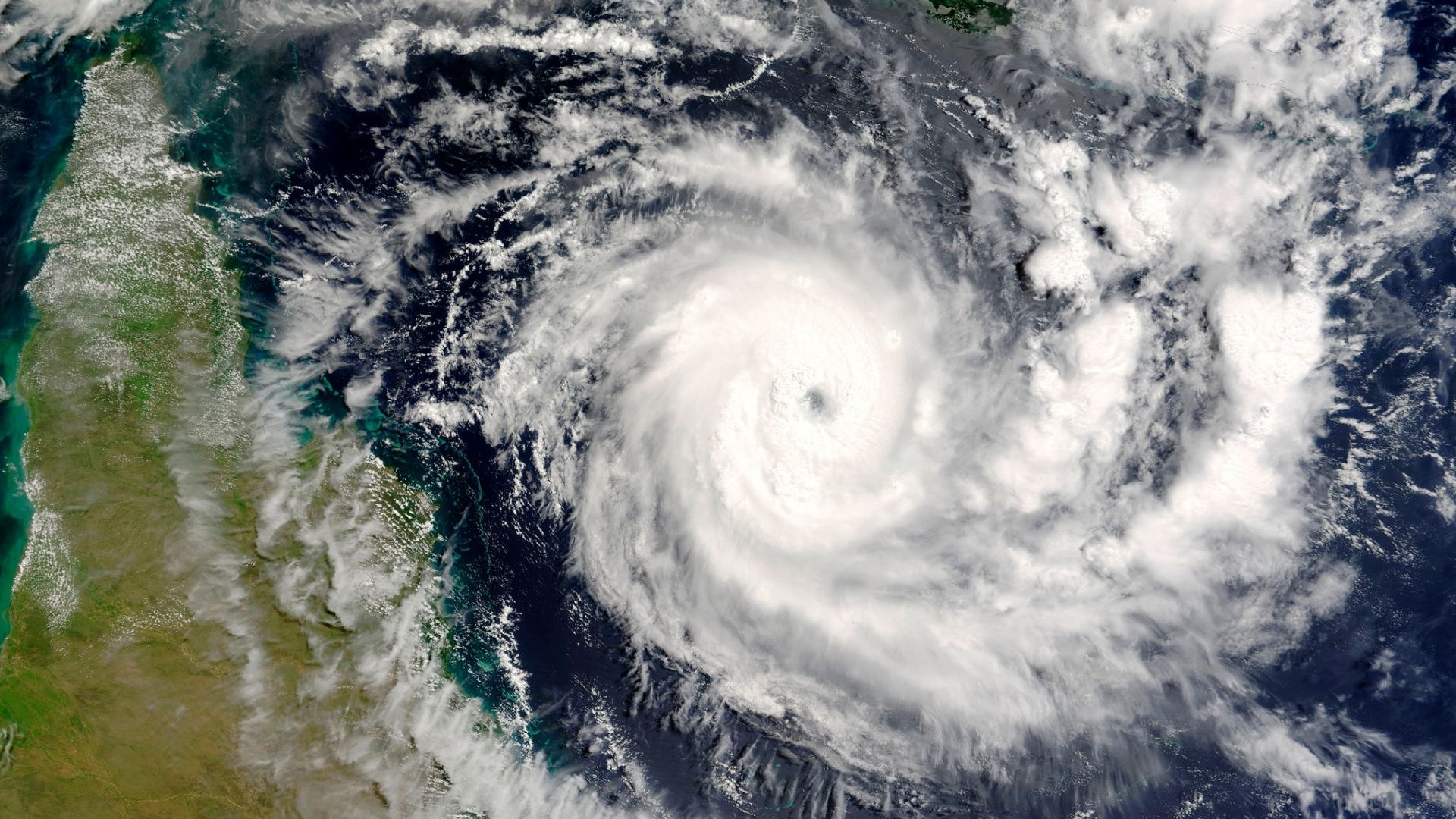
Bushfire bearing down on a remote camp. Cyclone tracking towards an offshore facility. Flooding cutting supply lines to an isolated community. These are not hypothetical scenarios in Western Australia. They happen, and when they do, the response demands senior leadership that understands consequence, not just process.
The challenge is not a lack of plans. It is what happens when plans meet multi-hazard complexity, contested logistics, competing priorities, and the pressure of real-time consequence. That is where an experienced Incident Management Team matters most.
Tuesday, 1340hrs. Pilbara.
Category 3 cyclone tracking south. Bureau downgrades to 24-hour warning window. Two remote camps and an airstrip in the path.
Site Incident Controller activated. Has never run a cyclone preparation. Emergency plan says 'refer to Cyclone Procedure' but the procedure was last updated in 2019.
Decision needed: evacuate 380 personnel by road or shelter in place. Road is a single lane, 6 hours to the nearest town. Last flight departed 20 minutes ago.
Contractor camp manager reports their company has their own cyclone procedure. It conflicts with the site plan. Nobody has authority to resolve the disagreement.
Corporate office calls. CEO wants a briefing. Site IC is now managing the cyclone, the contractor dispute, the evacuation decision, and executive communications simultaneously.
This is not hypothetical. It is a composite of real incidents we have responded to. The question is whether your organisation would manage it differently.
When the incident outgrows the meeting, you need command, not more discussion.
Resolve maintains a Perth-based cadre of senior, AIIMS Level 2 and Level 3 accredited Incident Management practitioners, deployed across Western Australia and, where required, nationally. When an incident escalates beyond your normal operating rhythm, we supply an experienced Incident Controller and Incident Management Team to work alongside your people and guide the response through to resolution.
A word on why this helps
Your senior leadership team is expert in running the operation: engineering, production, logistics, the business. Very few are expert in running an incident, and there is no reason they should be; it is a different discipline, built through repetition under pressure. Bringing in practitioners who do this for a living is not a reflection on your team. It is what considered, well-governed decision-making looks like when the stakes are high.
Minimise downtime
Minimise risk to your people
Minimise impact to business-as-usual operations
Limit exposure to regulators after the event
Available 24/7. When an incident does not wait for business hours, neither do we.
Western Australia's hazard landscape demands experienced leadership.
WA's operating environment is defined by distance, remoteness, and a hazard profile that includes bushfire, tropical cyclone, severe storm, flooding, and industrial incidents. When these hazards converge with critical infrastructure and isolated communities, the complexity escalates rapidly.
Our practitioners have led responses across this landscape. We understand what it takes to sustain operations when roads are cut, communications are degraded, and the nearest support is hours away. That lived experience is what we bring to your organisation.
Bushfire
Pilbara, Kimberley, South West
Tropical Cyclone
North West coast and inland
Flooding
Remote catchments and communities
Logistics
Resupply and evacuation
Senior incident leadership when the stakes are highest.
We provide experienced Incident Management Team practitioners who lead, advise, and coordinate across complex, multi-hazard operations. We work in the field, not from a desk.
Incident Command Leadership
Senior incident controllers and operations officers deployed to lead response in complex, high-consequence environments. Direct command experience across bushfire, cyclone, flood, and industrial emergencies.
Multi-Agency Coordination
Managing the interface between your organisation and external agencies during active incidents. Ensuring information flows, priorities align, and response objectives are achieved without confusion or duplication.
Remote & Isolated Operations
Specialist understanding of the logistical and operational challenges unique to remote WA. Resupply coordination, evacuation planning, communications in austere environments, and sustaining operations over extended periods.
Natural Hazard Response
Practitioner-led leadership across bushfire, tropical cyclone, severe weather, and flooding events. Understanding seasonal risk profiles and the specific challenges these hazards present in Western Australia.
Crisis Advisory & Support
Senior advisory to executives and leadership teams during active incidents. Providing the operational context, consequence analysis, and decision support that keeps leadership informed and effective.
Sustained Operations Management
Managing the transition from initial response through to sustained operations and recovery. Shift planning, personnel rotation, fatigue management, and maintaining operational tempo across days or weeks.

The first hours determine the outcome. Leadership in those hours determines everything else.
Consequence management
In high-consequence environments, the difference between a managed incident and a crisis is often the quality of leadership in the first critical hours. Experienced incident commanders stabilise situations, establish priorities, and prevent escalation.
Operational continuity
Complex incidents threaten more than safety. They disrupt operations, supply chains, workforce movements, and community confidence. Senior incident leadership keeps the focus on both immediate response and broader operational impact.
Organisational protection
How your organisation responds to a major incident defines your reputation, your regulatory standing, and your social licence. Competent, experienced leadership during the response protects all three.
Agency interface
When external agencies are involved, the relationship between your organisation and those agencies needs to be managed carefully. Poor coordination wastes time, creates confusion, and can compromise the response.
Structured leadership across every phase of the response.
We deploy practitioners who have led responses at scale. Our approach covers the full lifecycle from initial activation through sustained operations to recovery and transition.
Activate
- Rapid deployment of senior incident management personnel
- Situation assessment and initial stabilisation
- Incident management structure establishment
- Communications architecture and reporting lines
- External agency notification and liaison
- Initial action plan development
Sustain
- Ongoing incident command and operations leadership
- Multi-agency coordination and information management
- Logistics and resupply coordination for remote locations
- Shift planning and personnel rotation management
- Executive briefings and consequence reporting
- Dynamic risk assessment and priority adjustment
Transition
- Managed handover to BAU or recovery operations
- Post-incident review and lessons identified
- Capability gap documentation and recommendations
- Regulatory and governance reporting support
- Organisational debrief facilitation
- Recovery planning and ongoing advisory
When the situation demands senior leadership, we are ready to deploy.
Whether you need incident command capability for an active event, pre-positioned leadership for a seasonal risk window, or advisory support for complex operations planning, talk to us about how we can support your organisation.